Student loan debt affects over 43 million Americans, with an average balance of $37,000. The right repayment strategy can save you thousands in interest and help you become debt-free years earlier.
Understanding Your Student Loans
Federal vs. Private Loans
| Feature | Federal Loans | Private Loans |
|---|---|---|
| Interest Rates | Fixed | Variable or fixed |
| Repayment Options | Income-driven plans available | Limited flexibility |
| Forgiveness | Programs available | None |
| Protections | Deferment, forbearance | Limited |
| Approval | No credit check | Credit-based, may need cosigner |
Types of Federal Loans
Direct Subsidized Loans
- Government pays interest while in school
- Based on financial need
- Undergraduates only
Direct Unsubsidized Loans
- Interest accrues immediately
- Not need-based
- Available to graduates
Direct PLUS Loans
- For graduate students and parents
- Higher interest rates (8.05% in 2026)
- Credit check required
Federal Repayment Plans
Standard Repayment Plan
Fixed payments for 10 years
Monthly payment: $318
Total paid: $38,184
Total interest: $8,184
Income-Driven Repayment (IDR) Plans
SAVE Plan (Newest - 2024)
Benefits:
- Payments: 5% of discretionary income (undergrad), 10% (grad)
- $0 payments if income below 225% of poverty line
- Forgiveness after 20-25 years
- Interest doesn't capitalize
Income: $50,000
Debt: $40,000
Discretionary income: ~$20,000
Monthly payment: ~$83 (vs. $424 standard)
Forgiveness after 20 years
Income-Based Repayment (IBR)
- 10% of discretionary income (new borrowers)
- 15% (older loans)
- Forgiveness after 20-25 years
- Interest can capitalize
Pay As You Earn (PAYE)
- 10% of discretionary income
- Never more than standard plan
- Forgiveness after 20 years
Graduated Repayment
- Starts low, increases every 2 years
- 10-year term
- More total interest than standard
- Good for expected income growth
Loan Forgiveness Programs
Public Service Loan Forgiveness (PSLF)
Requirements:
- Work for government or 501(c)(3) nonprofit
- Make 120 qualifying payments
- Must be on income-driven plan
- Full-time employment (30+ hours)
Debt: $60,000
Salary: $50,000
Monthly payment on SAVE: ~$300
After 10 years (120 payments): ~$36,000 paid
Forgiven: ~$24,000+ (tax-free!)
Teacher Loan Forgiveness
- Up to $17,500 forgiven
- 5 consecutive years teaching
- Low-income school required
- Math, science, special ed get most
State-Specific Programs
Many states offer forgiveness for:
- Healthcare workers
- Lawyers in public service
- STEM professionals
- Rural area workers
Refinancing Student Loans
When to Refinance
Good candidates:
- Credit score 670+
- Stable income
- Low debt-to-income ratio
- Private loans or high-rate federal loans
Benefits:
- Lower interest rate
- Single monthly payment
- Flexible terms (5-20 years)
$50,000 loan over 10 years
Rate: 6.5% → 4.5%
Old payment: $568
New payment: $519
Total savings: $5,880
When NOT to Refinance
❌ Don't refinance federal loans if:
- Pursuing PSLF
- Need income-driven plans
- Want federal protections
- Unstable income
You lose:
- Forgiveness eligibility
- Income-driven plans
- Deferment/forbearance
- Death/disability discharge
Top Refinancing Lenders (2026)
| Lender | Rates | Key Features |
|---|---|---|
| SoFi | 3.99% - 9.99% | No fees, unemployment protection, career coaching |
| Earnest | 3.95% - 9.74% | Flexible payments, skip one payment/year, no fees |
| Laurel Road | 4.24% - 9.99% | Healthcare focus, $300 welcome bonus, no fees |
Accelerated Payoff Strategies
The Avalanche Method
Pay minimums on all loans, extra toward highest interest rate.
| Loan | Balance | Interest Rate | Priority |
|---|---|---|---|
| Loan A | $10,000 | 6.8% | 1st (highest rate) |
| Loan B | $15,000 | 5.5% | 2nd |
| Loan C | $8,000 | 4.5% | 3rd (lowest rate) |
Result: Saves the most interest by targeting high-rate loans first.
The Snowball Method
Pay minimums on all, extra toward smallest balance.
Same loans, different order:
- Pay off Loan C ($8,000) first
- Then Loan A ($10,000)
- Finally Loan B ($15,000)
Result: Psychological wins, slightly more interest
Biweekly Payments
Pay half your monthly payment every 2 weeks.
Monthly payment: $400 → Biweekly: $200
Result: 26 payments = 13 months/year
Extra payment: $400/year
On $30,000 loan: Time saved ~1 year
Interest saved: ~$1,500
Round-Up Strategy
Round payments to nearest $50 or $100.
Example:
- Required: $318
- Round to: $350
- Extra: $32/month = $384/year
Lump Sum Payments
Apply windfalls directly to principal:
- Tax refunds
- Bonuses
- Inheritance
- Side income
$2,000 lump sum applied to $30,000 loan
Time saved: ~6 months
Interest saved: ~$600
Employer Student Loan Benefits
Employer Repayment Assistance
Many employers now offer:
- $100-$200/month toward loans
- Up to $5,250/year tax-free (through 2025)
- Matching contributions
Companies offering:
- Google: Up to $2,500/year
- Fidelity: $2,000/year
- Aetna: $2,000/year
- PwC: $1,200/year
401(k) Match Alternative
Some employers let you:
- Redirect 401(k) match to loans
- Get employer contribution
- Pay off debt faster
Tax Strategies
Student Loan Interest Deduction
- Deduct up to $2,500/year
- Income limits: $90,000 single, $185,000 married
- Phases out above $75,000/$155,000
Paid $3,000 interest
Deduct: $2,500 (max)
Tax bracket: 22%
Tax savings: $550
Forgiveness Tax Implications
PSLF: Tax-free forgiveness
IDR Forgiveness:
- Currently taxable (2026)
- Could be "tax bomb"
- Plan ahead for tax liability
Example:
- $50,000 forgiven
- 24% tax bracket
- Tax owed: $12,000
Common Mistakes to Avoid
1. Ignoring Loans
Consequences:
- Default after 270 days
- Credit score damage
- Wage garnishment
- Tax refund seizure
2. Only Paying Minimums
Example: $30,000 at 6%
- Standard 10-year: $333/month
- Extended 25-year: $193/month
- Extra interest: $27,900!
3. Refinancing Federal Loans Prematurely
Lost protections worth thousands:
- Income-driven plans
- Forgiveness programs
- Pandemic forbearance
4. Not Recertifying IDR Plans
- Must recertify annually
- Miss deadline = capitalized interest
- Payments revert to standard
5. Paying Off Low-Interest Loans First
Better strategy:
- Invest if loan rate < 5%
- Pay off if rate > 7%
- Consider 5-7% range
Creating Your Repayment Strategy
Step 1: Inventory Your Loans
List all loans with:
- Balance
- Interest rate
- Loan type (federal/private)
- Servicer
- Monthly payment
Step 2: Choose Your Plan
Prioritize PSLF if:
- Work in public service
- High debt-to-income ratio
- Comfortable with 10-year commitment
Consider refinancing if:
- Private loans or high rates
- Good credit (670+)
- Stable income
- Not pursuing forgiveness
Use avalanche method if:
- Want to save most money
- Disciplined with finances
- High-interest loans
Step 3: Automate Payments
- Set up auto-pay (0.25% rate reduction)
- Schedule biweekly if possible
- Never miss a payment
Step 4: Apply Extra Money
Priority order:
- Emergency fund ($1,000 minimum)
- Employer 401(k) match
- High-interest debt (>7%)
- Student loans
- Additional retirement savings
Step 5: Review Annually
- Check for better refinance rates
- Recertify IDR plans
- Adjust strategy as income changes
- Track progress
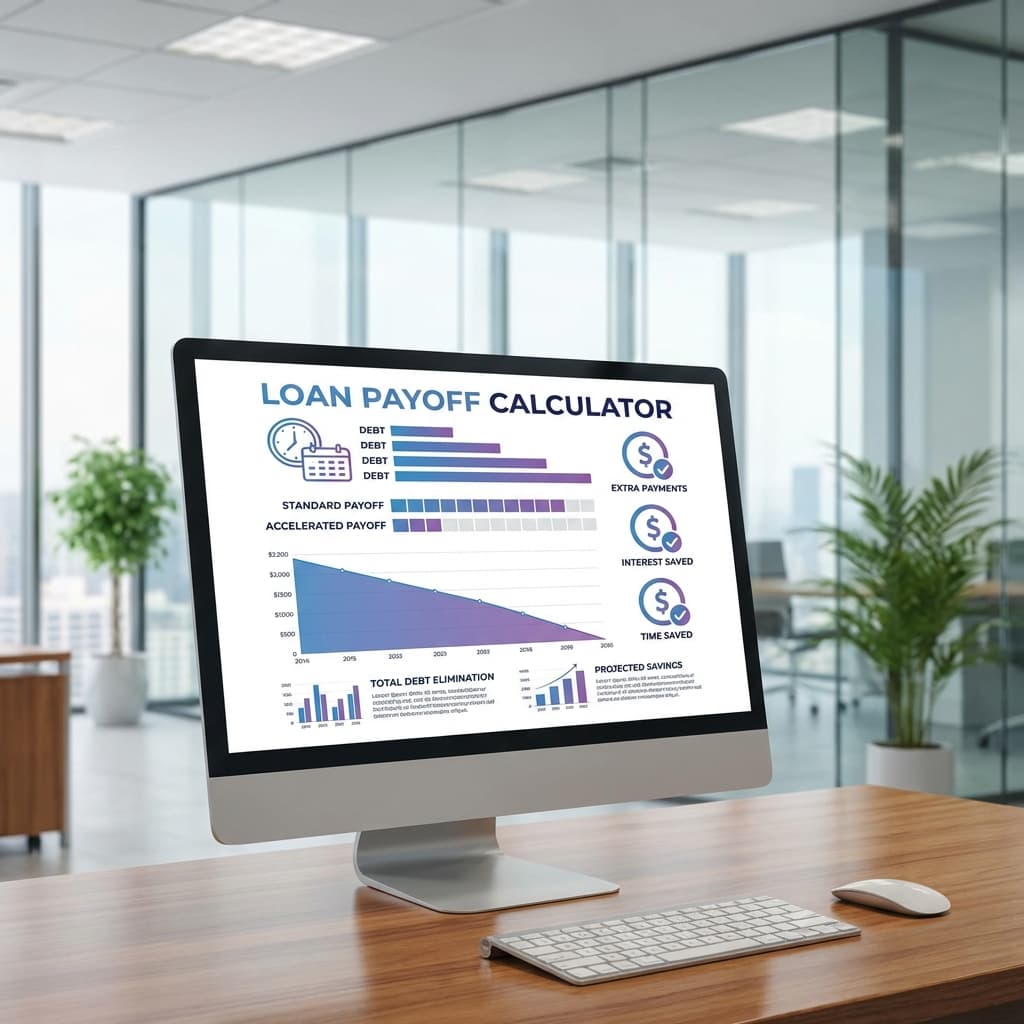
Use Our Loan Payoff Calculator
Ready to create your student loan payoff plan? Use our Loan Payoff Calculator to:
- See your current payoff timeline
- Calculate interest savings from extra payments
- Compare different repayment strategies
- Set a realistic payoff goal
- Generate a custom payment schedule
Remember: The best repayment strategy depends on your unique situation. Consider your income, career path, loan types, and financial goals when choosing your approach.
Calculate your student loan payoff strategy with our Loan Payoff Calculator